

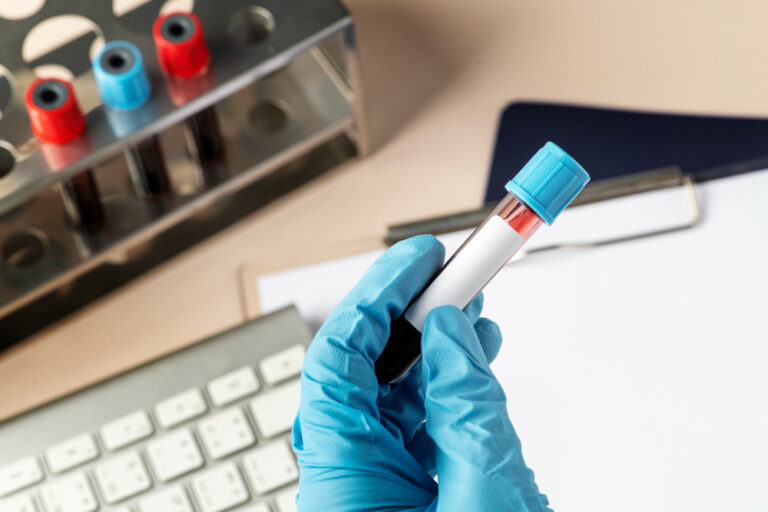
What Is a Blood Culture Test?
When a fever will not go away, doctors may suggest a blood culture test. This test checks your blood for germs like bacteria or fungi. Unlike some tests, a blood culture can help find the exact cause of an infection. Because of this, it is important for anyone with a long-lasting fever. The blood culture test helps doctors choose the right treatment. According to the CDC, this test is key for finding serious infections in the blood.
How Does a Blood Culture Test Differ from a Routine Blood Test?
Many people have had a routine blood test before. However, a blood culture test is different in several ways. For example, a routine blood test checks things like blood count or sugar levels. In contrast, a blood culture looks for germs that cause infection. Also, a routine test gives results quickly. But a blood culture needs more time, as germs must grow in the lab. Because of these differences, doctors use each test for different reasons.Routine blood tests check blood cells and chemicals.Blood culture tests look for bacteria or fungi in the blood.Blood cultures take longer to give results.
Why Persistent Fever Can Be a Warning Sign
Sometimes, a fever lasts for days or even weeks. This is called a persistent fever. While many fevers are mild, a long-lasting fever can be a sign of a serious infection. For instance, infections in the blood can cause ongoing fever. In some cases, these infections can become life-threatening if not treated. Therefore, it is important to find the cause quickly. The World Health Organization notes that early diagnosis can save lives.
When Is a Blood Culture Test Recommended?
Doctors may suggest a blood culture test in several situations. For example, if you have a fever that does not go away, they may want to check for infection. In addition, people with weak immune systems may need this test sooner. Sometimes, those with recent surgery or medical devices like catheters are at higher risk. Because of these risks, doctors use blood cultures to guide treatment.Persistent fever with no clear causeSigns of serious infection, such as chills or confusionRecent surgery or hospital stayWeakened immune systemUse of medical devices like IV lines
How Is the Test Performed?
First, a healthcare worker cleans your skin with alcohol. Next, they use a small needle to take blood from a vein. Usually, they collect blood from two different spots. This helps make sure the results are correct. After that, the blood goes to a lab. There, it is placed in bottles that help germs grow if they are present. Because the process is careful, the risk of mistakes is low. The test is safe and quick, often done in clinics or hospitals. You can search for a “blood culture test near me” to find local labs.
What Do the Results Mean?
After the test, the lab checks if any germs grew in the blood. If bacteria or fungi are found, the result is positive. This means there is an infection in your blood. If no germs grow, the result is negative. However, sometimes the test may need to be repeated. Doctors use the results to choose the best medicine. In many cases, early treatment leads to better outcomes. According to medical journals, blood culture results help guide care for serious infections.
Risks and Precautions
Although the blood culture test is safe, there are some small risks. For example, you may feel a little pain or bruising where the needle goes in. Rarely, there can be infection or bleeding at the site. However, these problems are uncommon. To lower risks, healthcare workers use clean tools and follow safety steps. If you have concerns, always tell your doctor before the test.Mild pain or bruisingRare risk of infection at the needle siteVery rare risk of bleeding
Prevention and Early Detection Tips
There are ways to lower your risk of blood infections. For instance, wash your hands often and keep wounds clean. If you have a medical device, follow care instructions closely. In addition, see a doctor if you have a fever that will not go away. Early testing, like a blood culture test, can help find problems before they get worse. The CDC recommends seeking care for any lasting fever or signs of infection.Wash hands oftenCare for wounds and cutsFollow medical device care stepsSee a doctor for persistent feverAsk about blood culture testing if you feel unwell