

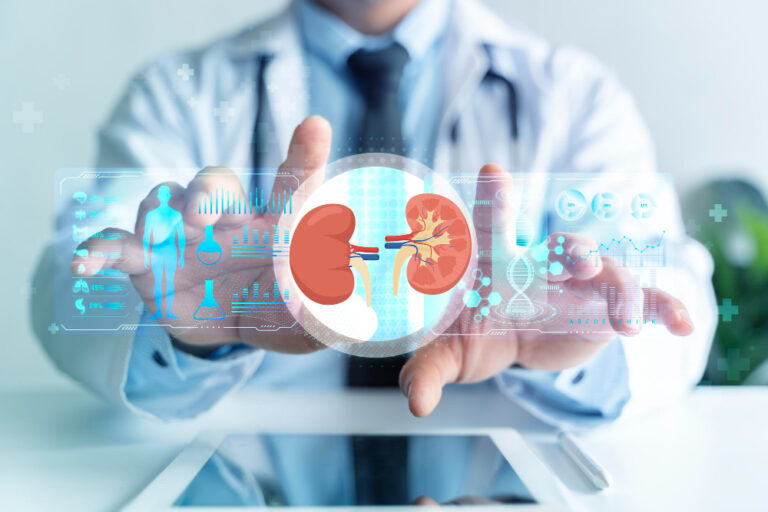
Introduction to Kidney Function Tests
Kidney function tests help check how well your kidneys are working. These tests are important because your kidneys remove waste and extra fluid from your blood. If your kidneys do not work well, waste can build up and cause health problems. Many people ask, “How to check kidney health?” Kidney function tests are the answer. In this blog, you will learn what these tests are, why they matter, and what to expect.
What Are Kidney Function Tests?
Kidney function tests are simple blood and urine tests. They measure how well your kidneys filter waste and balance fluids. For example, some tests look for waste products like creatinine and urea. Others check for protein or blood in your urine. These tests help doctors spot kidney problems early.
Why Are Kidney Function Tests Important?
Kidney function tests are important for many reasons. First, they can find kidney disease before you feel sick. Early treatment can prevent serious problems. Also, these tests help track kidney health over time. If you have diabetes, high blood pressure, or a family history of kidney disease, regular testing is key. According to the CDC, early detection can slow or stop kidney damage.
Types of Kidney Function Tests
There are several types of kidney function tests. Each test gives different information about your kidney health. Here are the most common ones:Blood Urea Nitrogen (BUN) Test: Measures the amount of urea in your blood.Serum Creatinine Test: Checks the level of creatinine, a waste product, in your blood.Estimated Glomerular Filtration Rate (eGFR): Estimates how well your kidneys filter blood.Urinalysis: Looks for protein, blood, or other substances in your urine.Urine Albumin-to-Creatinine Ratio (UACR): Measures protein in your urine, which can signal kidney damage.
How Are Kidney Function Tests Performed?
Most kidney function tests are quick and easy. For blood tests, a nurse draws a small sample from your arm. For urine tests, you may need to collect a sample at home or at the clinic. Sometimes, you collect all your urine over 24 hours. Your doctor will explain which tests you need and how to do them.
What Do Kidney Function Test Results Mean?
Understanding your results is important. Normal kidney test results mean your kidneys are working well. If your results are outside the normal range, it does not always mean you have kidney disease. Sometimes, dehydration or other factors can affect results. Here is what some results may show:High creatinine or BUN: May mean your kidneys are not filtering well.Low eGFR: Can signal reduced kidney function.Protein in urine: May be an early sign of kidney damage.
However, only a doctor can explain what your results mean for you. They may order more tests if needed.
When Should You Get Kidney Function Tests?
Some people need kidney function tests more often than others. You should consider testing if you:Have diabetes or high blood pressureHave a family history of kidney diseaseAre over age 60Take medicines that can affect the kidneysHave symptoms like swelling, tiredness, or changes in urine
Even if you feel healthy, regular testing can help catch problems early.
How to Prepare for Kidney Function Tests
Preparing for kidney function tests is usually simple. Your doctor will give you clear instructions. For most blood tests, you do not need to fast. However, some tests may require you to avoid certain foods or medicines. For urine tests, you may need to collect your urine at a specific time. Always follow your doctor’s advice for the best results.
Frequently Asked Questions About Kidney Function Tests
Are kidney function tests painful? No, they are quick and cause little discomfort.How long do results take? Most results are ready in a few days.Can I eat before the test? Usually yes, but check with your doctor.What if my results are not normal? Your doctor will explain what steps to take next.
Prevention and Lifestyle Tips for Healthy Kidneys
Keeping your kidneys healthy is important. Here are some tips to protect your kidney health:Drink enough water every dayEat a balanced diet with less saltStay active and maintain a healthy weightManage blood pressure and blood sugarAvoid smoking and limit alcoholTake medicines only as prescribed
For more advice, talk to your healthcare provider. The National Kidney Foundation and CDC offer helpful resources too.
Conclusion
In summary, kidney function tests are a simple way to check your kidney health. They help find problems early and guide treatment. If you have risk factors or symptoms, ask your doctor about testing. Remember, healthy habits can protect your kidneys for life. Consult at AVIOR CLINICAL DIAGNOSTIC CENTRE for personalized advice about kidney function tests.