

What is a Urine Culture & Sensitivity Test?
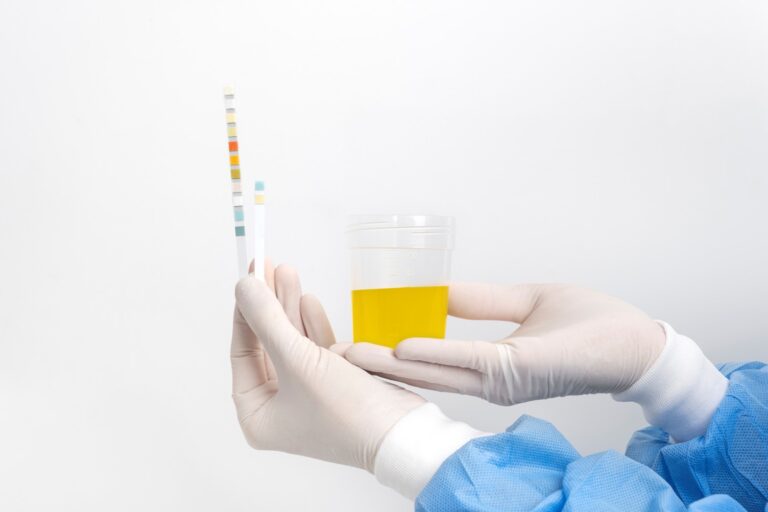
A urine culture & sensitivity test checks for germs in your urine. Doctors use this test to find out if you have a urine infection. It also shows which medicines can treat the infection best. Because urine infections are common, this test is important for quick and correct treatment. Many people know it as a urine infection test or UTI diagnosis test.
Why is the Test Done?
Doctors order this test for several reasons. For example, you may have symptoms like:Pain or burning when you urinateFrequent urge to urinateCloudy or foul-smelling urineFever or lower belly pain
Sometimes, doctors use this test to check if a previous infection has cleared. In addition, it helps find the right antibiotic if you have a stubborn infection. Because some bacteria resist common medicines, knowing which drug works is key. This test is also useful for people with weak immune systems or those who get frequent UTIs.
How is the Test Performed?
Getting a urine culture & sensitivity test is simple. Usually, you give a sample of your urine at a clinic or lab. Here is how the process works:First, you clean the area around your urethra with a special wipe.Next, you start urinating and let the first part go into the toilet.Then, you collect the middle part of your urine in a sterile cup.Finally, you finish urinating in the toilet.
This is called the “midstream clean-catch” method. It helps avoid germs from your skin getting into the sample. After you give the sample, the lab grows any bacteria found in your urine. They also test which antibiotics kill these bacteria best. Because the process takes time, results are usually ready in two to three days.
Understanding the Results
Once the test is done, your doctor will explain the results. Here is what you might see:Negative result: No harmful bacteria found. You likely do not have a urine infection.Positive result: Bacteria are present. This means you have a urine infection.Sensitivity report: Shows which antibiotics work best against the bacteria found.
Because some bacteria resist certain drugs, the sensitivity part is very important. Your doctor will choose the right medicine based on this report. If you have questions, always ask your healthcare provider to explain your results.
Risks and Precautions
For most people, giving a urine sample is safe and easy. However, there are a few things to keep in mind:Always follow the instructions for collecting the sample.If you use a catheter, there is a small risk of infection.Let your doctor know if you are on antibiotics, as this can affect the results.
Because mistakes in sample collection can lead to wrong results, take care to follow all steps. If you have trouble collecting a sample, ask for help at the clinic.
Frequently Asked Questions
How long does it take to get results?Most results are ready in two to three days.Can I eat or drink before the test?Yes, you can eat and drink as usual unless your doctor says otherwise.Do I need to stop my medicines?Tell your doctor about all medicines you take. Some may affect the test.Is the test painful?No, collecting a urine sample is not painful.What if my test is positive?Your doctor will suggest the best treatment based on the results.
In summary, a urine culture & sensitivity test is a safe and helpful way to detect and treat urinary infections. If you have symptoms or concerns, consult AVIOR Clinical Diagnostic Centre for personalized guidance on urine culture & sensitivity testing.