
What Is Tuberculosis Screening?
Tuberculosis screening is a way to check if someone has been infected with tuberculosis (TB) bacteria. TB is a disease that mainly affects the lungs, but it can also harm other parts of the body. Early detection is important because TB can spread from person to person through the air. For this reason, many people search for the tuberculosis screening process or ask about a TB test for early detection. Screening helps find TB before it causes serious problems.
Why Is Tuberculosis Screening Important?
Screening for tuberculosis can save lives. When TB is found early, treatment works better. Also, early treatment helps stop the spread of TB to others. According to the World Health Organization (WHO) and the Centers for Disease Control and Prevention (CDC), TB is still a major health concern in many places. Therefore, regular screening is a key step in keeping communities safe and healthy.
Who Should Get Screened?
Not everyone needs a TB test. However, some people have a higher risk. You should consider screening if you:Have close contact with someone who has active TBLive or work in places where TB is common, such as hospitals or sheltersHave a weakened immune system, for example, from HIV or certain medicinesRecently traveled to or lived in a country with high TB ratesAre a healthcare worker or care for people at risk
For these groups, regular screening can help catch TB early.
Common Symptoms That May Prompt Screening
Sometimes, symptoms lead people to ask, “How to get tested for tuberculosis?” You should talk to a doctor if you notice:A cough lasting more than three weeksChest pain or trouble breathingUnexplained weight lossNight sweatsFever or chillsFeeling very tired
While these symptoms can have other causes, they may also signal TB. Therefore, screening is important if you have any of them.
Types of Tuberculosis Screening Tests
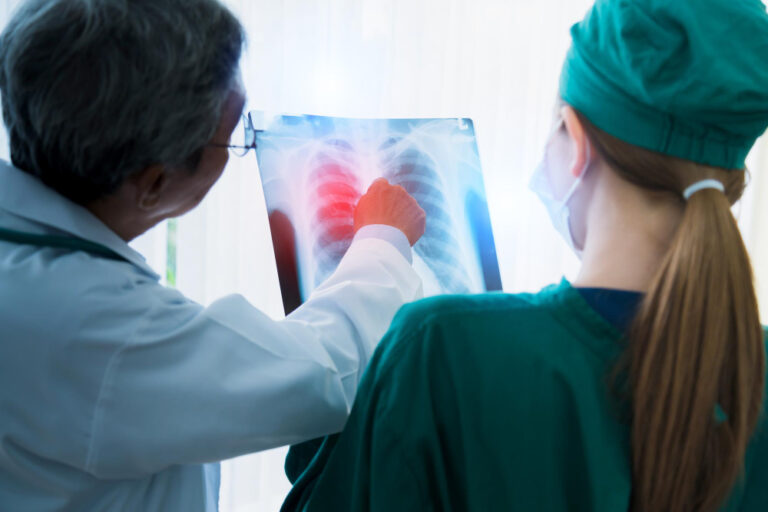
There are several ways to screen for TB. Your doctor may suggest one or more of these tests:Skin Test (Mantoux Tuberculin Skin Test): A small amount of fluid is injected under the skin of your arm. After two or three days, a healthcare worker checks for a reaction.Blood Test (Interferon-Gamma Release Assays): This test measures how your immune system reacts to TB bacteria. It only needs a blood sample.Chest X-ray: If a skin or blood test is positive, a chest X-ray can show if TB has affected your lungs.
Each test has its own benefits. Your doctor will choose the best one for you.
How to Prepare for a Tuberculosis Screening
Getting ready for a TB test is simple. Usually, you do not need to fast or change your routine. However, you should tell your doctor about any medicines you take or health problems you have. For the skin test, you may need to return to the clinic after two or three days. This follow-up is important to check your results.
What to Expect During and After the Screening
During the screening, the process is quick and easy. For the skin test, you will feel a small pinch when the fluid is injected. For the blood test, a nurse will draw a small amount of blood. If you need a chest X-ray, you will stand in front of a machine for a few seconds. After the test, you can go back to your normal activities. However, for the skin test, remember to return for the follow-up visit.
Understanding Your Results
Once your results are ready, your doctor will explain what they mean. A positive test means you have been exposed to TB bacteria. However, it does not always mean you have active TB disease. Sometimes, people have “latent TB,” which means the bacteria are in the body but not causing illness. In this case, your doctor may suggest more tests or treatment to prevent active TB. If your test is negative, you likely do not have TB infection.
Prevention and Next Steps if Screened Positive
If you test positive for TB, do not worry. Many people with latent TB never get sick. However, treatment can help prevent the disease from becoming active. Your doctor will guide you on the next steps. You may need medicine for several months. Also, you should follow your doctor’s advice to keep yourself and others safe. For those searching “tuberculosis screening near me,” many clinics and hospitals offer these tests. Early action is the best way to protect your health.
Conclusion
In summary, tuberculosis screening is a simple but important step for early detection. It helps protect you and your community. If you have symptoms or are at risk, talk to a healthcare professional about getting screened. For personalized advice on tuberculosis screening, consult doctor at AVIOR CLINICAL DIAGNOSTIC CENTRE today.