

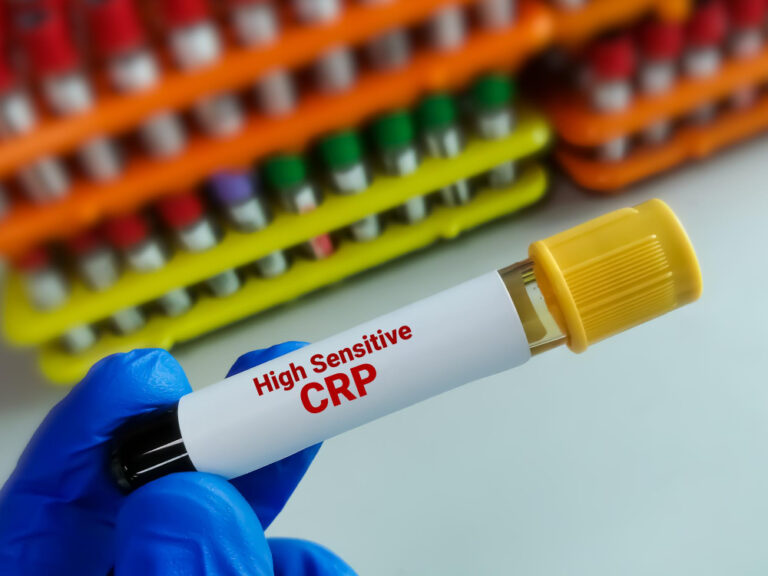
What is a CRP Test?
The CRP test, also called the C-reactive protein test, is a simple blood test. It checks for inflammation in your body. Inflammation is your body’s way of fighting infection or injury. However, sometimes, it can signal a health problem. Doctors use the CRP test to help spot these issues early. According to the CDC, this test is common in clinics and hospitals.
Why is a CRP Test Done?
Doctors order a CRP test for many reasons. Often, it helps find out if you have inflammation from an infection or disease. For example, it can help track how well treatment is working. Sometimes, it is used to check for hidden health problems. In addition, the CRP test can help guide decisions about further testing or care.To check for infectionsTo monitor chronic diseases, like arthritisTo help diagnose autoimmune conditionsTo assess heart disease risk
Symptoms and Conditions Linked to High CRP Levels
High CRP levels can mean your body is fighting something. For instance, you may have an infection or a long-term illness. Some common symptoms linked to high CRP include:Fever or chillsJoint pain or swellingFatigue or weaknessUnexplained weight loss
Additionally, high CRP levels can be seen in conditions such as:Rheumatoid arthritisLupusHeart diseaseSerious infections like pneumonia
How is the CRP Test Performed?
Getting a CRP test is quick and easy. First, a healthcare worker will clean your arm. Next, they draw a small amount of blood from a vein. After that, the blood goes to a lab for testing. Usually, you can return to your normal activities right away. The whole process takes only a few minutes.
How to Prepare for a CRP Test
Most people do not need to do anything special before a CRP test. However, it is helpful to tell your doctor about any medicines you take. Some drugs can affect your results. For example, anti-inflammatory medicines may lower CRP levels. If you have questions, ask your healthcare provider before the test.
Understanding Your CRP Test Results
CRP levels are measured in milligrams per liter (mg/L). Normal levels are usually below 3 mg/L. Higher numbers may mean you have inflammation. However, the CRP levels meaning can vary based on your health and other factors. For instance:Below 3 mg/L: Normal or low risk3–10 mg/L: Mild inflammationAbove 10 mg/L: Possible serious infection or disease
Still, only your doctor can explain what your results mean for you. Sometimes, more tests are needed to find the cause.
Factors That Can Affect CRP Levels
Many things can change your CRP levels. For example, smoking or being overweight can raise CRP. Even a minor cold may cause a temporary rise. In contrast, some medicines can lower your CRP. It is important to tell your doctor about your lifestyle and any recent illnesses. This helps them understand your inflammation blood test results better.Recent infectionsChronic diseasesMedications, like statins or steroidsSmoking or obesity
When to Consult a Doctor About CRP Levels
If your CRP test shows high levels, you should talk to your doctor. Sometimes, high CRP causes are easy to treat. Other times, they may point to a serious health problem. For example, if you have ongoing symptoms like pain, fever, or swelling, do not wait. Early care can make a big difference. In many cities, clinics offer fast CRP testing and follow-up care.
Preventing and Managing Inflammation
While you cannot control all causes of inflammation, you can take steps to lower your risk. For instance, healthy habits can help keep your CRP levels in check. Try these tips:Eat a balanced diet with fruits and vegetablesExercise regularlyAvoid smokingMaintain a healthy weightManage stress with relaxation techniques
Additionally, regular check-ups with your doctor can help you stay healthy. If you have questions consult AVIOR CLINICAL DIAGNOSTIC CENTRE.